
AC Replacement in Austin, TX
AC replacement assessments and installation planning in Austin, TX.
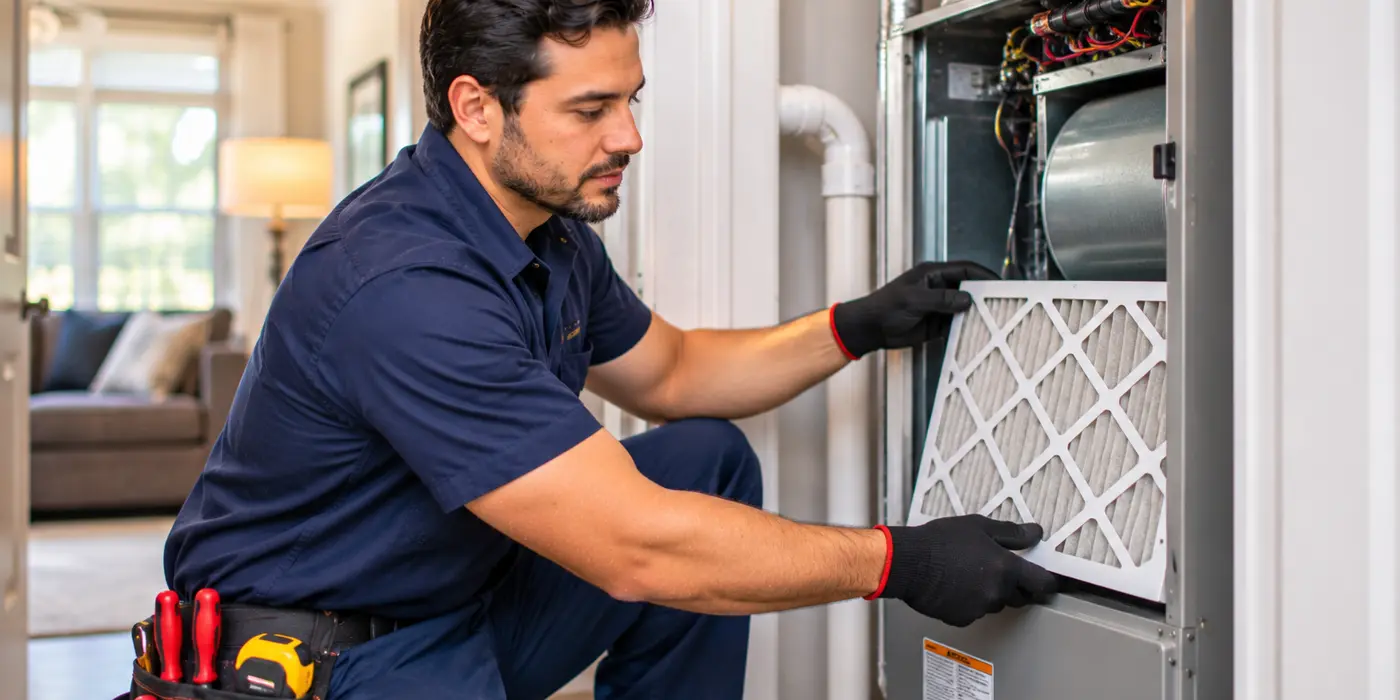
The bedroom that was merely warmer than the rest of your house can become unusable after a week of high outdoor temperatures. An older outside unit may run for long stretches without lowering the thermostat reading, while the air from the supply vents feels weak or only slightly cool.
When the system keeps cycling, the electrical components, compressor, and blower work harder for less cooling. A temporary shutdown may become a system that will not start at all, leaving you with an indoor unit, outdoor cabinet, and ductwork that need to be evaluated as one setup.
We assess AC replacement when the existing equipment can no longer cool your rooms reliably or when repeated faults point to an aging system. This is not work to leave through another hot season if the unit is short-cycling, tripping a breaker, or failing to hold temperature, because continued operation can add strain to the compressor and electrical parts.
Warm air and loud buzzing
You may notice warm air from the vents even though the thermostat is set lower, or hear a loud buzz from the outside box before it shuts down. Other calls start with a unit that clicks repeatedly, a breaker that trips when cooling begins, or an indoor room that never catches up with the rest of the house.
A system that runs all day, freezes at the refrigerant line, or stops after a few minutes can also look like the same problem from inside the house. Those symptoms can come from separate faults in the compressor, capacitor, coil, wiring, airflow path, or equipment capacity, and the work involved can differ substantially once we inspect the parts.
Equipment inspection
We begin by checking the model plate on the outdoor unit and the indoor cabinet, then compare the equipment size with the rooms, duct connections, electrical disconnect, breaker, and available installation space. We measure supply and return air temperatures, inspect the refrigerant line set, and check voltage at the disconnect; a typical equipment assessment can take 30 to 60 minutes depending on attic access and the condition of the cabinet.
During that visit, we can identify whether the existing pad, drain connection, line set, and electrical components are suitable for a new system. The inspection, measurements, and replacement recommendations are handled at the assessment, while the removal of the old equipment, placement of new equipment, connections, startup, and testing are scheduled as the installation work.
Equipment size, access, line set
The age and condition of the existing unit affect the scope because older equipment may have worn wiring, a damaged pad, corroded refrigerant tubing, or an electrical disconnect that no longer operates cleanly. Equipment size matters as well: a system must fit the cooling load and the available indoor and outdoor space, rather than simply matching the label on the old cabinet.
Access changes the installation work when an air handler sits in a tight attic, the outdoor unit is behind a gate, or the route from the driveway to the pad has stairs and narrow clearance. A line set that cannot be reused, a seized shutoff or disconnect, ordered equipment, permit requirements, or electrical sign-off can each add separate steps before the new system is placed and connected.
Model plate and equipment location
Before calling, check the model number and serial number printed on the metal data plate of the outside unit, and, if accessible, the label on the indoor cabinet. Let us know which rooms stay warm, whether the system is running now, and whether the thermostat displays an error or the breaker has tripped. It also helps to note where the outdoor unit sits, whether a gate, pets, stairs, or a narrow side yard affects access, and whether the indoor equipment is in an attic, closet, or garage. If you know when the current system was installed, keep that date with the model number. Call PT Air Conditioning Austin at (737) 204-6203 before repeated short cycles put further wear on the compressor and leave your home without cooling.
Next: thermostat installation, or back to the home page.